Tech Specs

FAQ

Why do I need an ND filter for the Insta360 Luna to get a cinematic look?

The Luna Ultra's bright f/1.8 lens lets in a lot of light, which forces your shutter speed way up in daylight — and that's what causes the harsh, "video-y" look instead of smooth cinematic motion. A neutral density (ND) filter cuts light entering the sensor so you can slow your shutter back down to the correct cinematic speed while keeping a clean exposure.

What is the 180-degree rule, and how does it apply to the Insta360 Luna?

The 180-degree rule is the standard cinematography formula for natural-looking motion: your shutter speed should be roughly double your frame rate. Shooting 24fps on the Luna means a 1/48–1/50s shutter; at 30fps you want around 1/60s; at 60fps, around 1/120s. Without an ND filter, bright outdoor light pushes your shutter speed far above these targets, creating choppy, hyper-sharp footage instead of smooth cinematic motion blur.

Which PolarPro ND filter should I use for the Insta360 Luna in different lighting conditions?

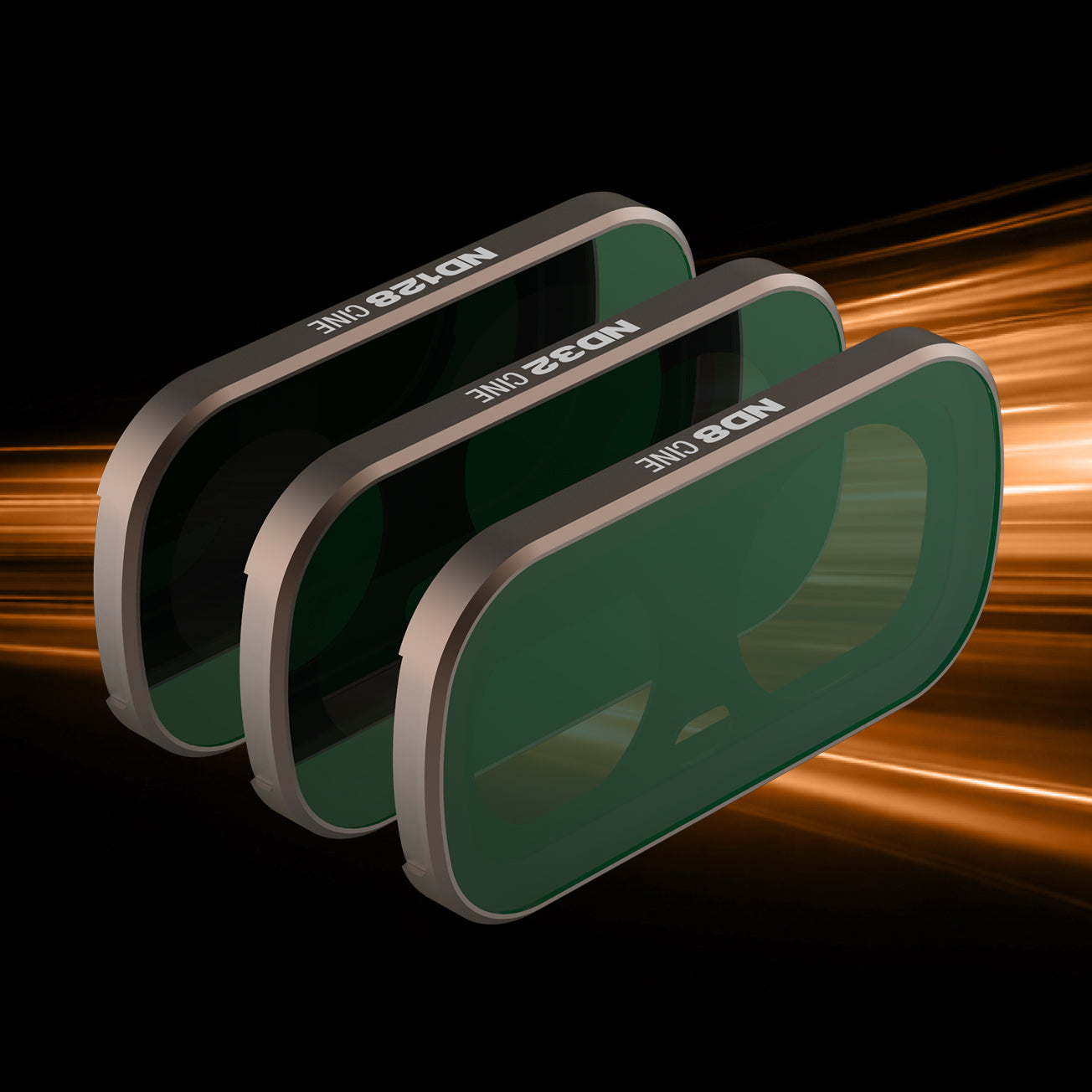
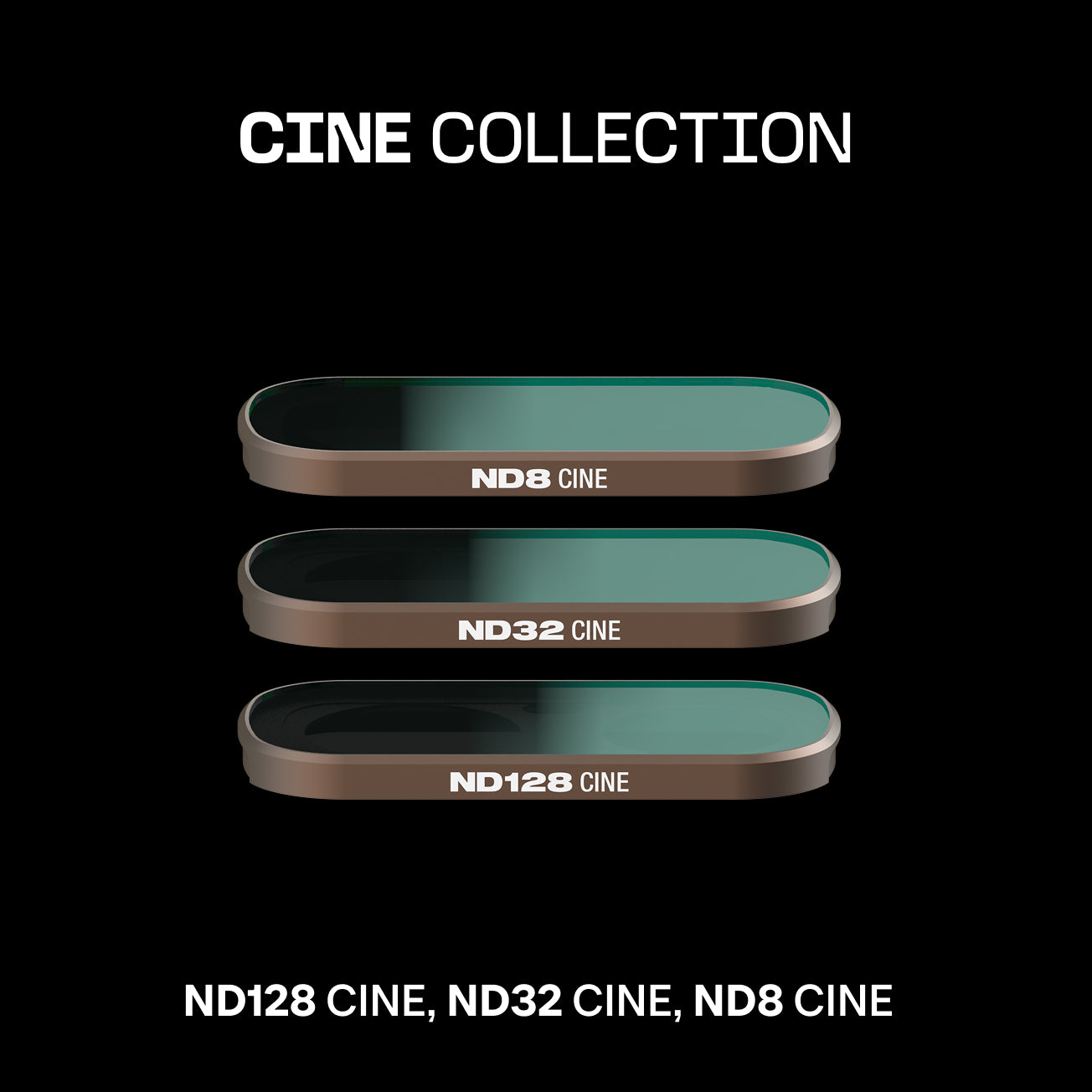
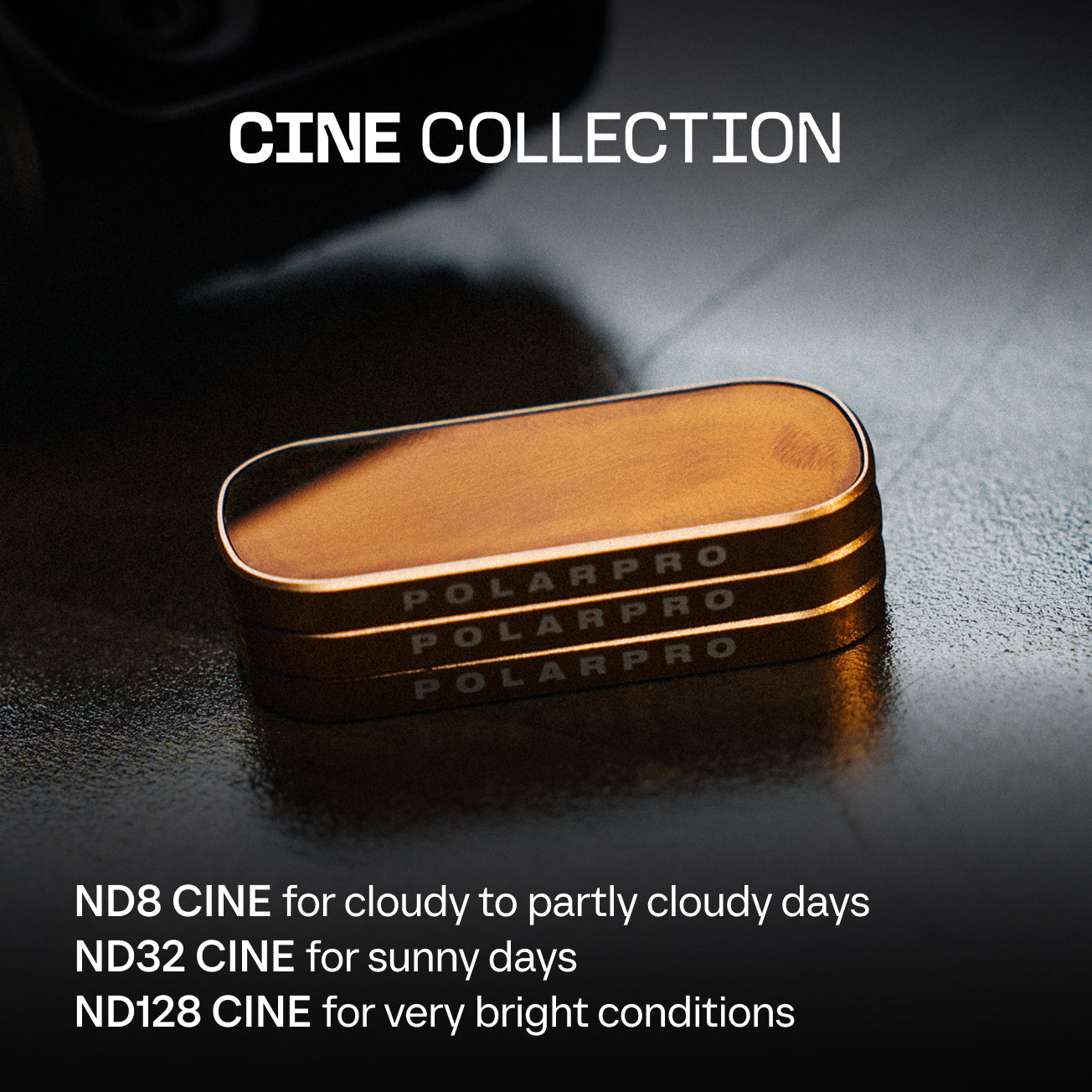
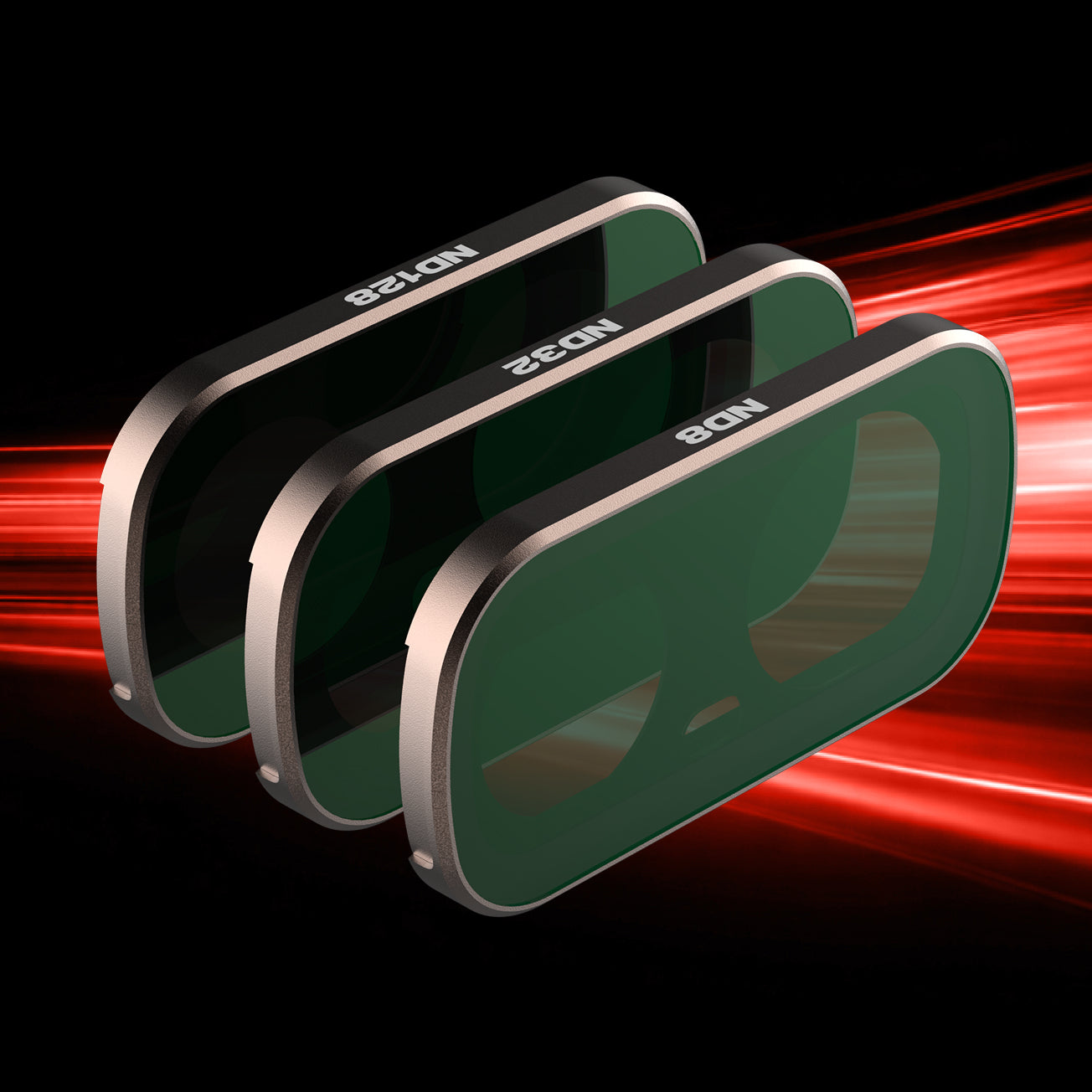
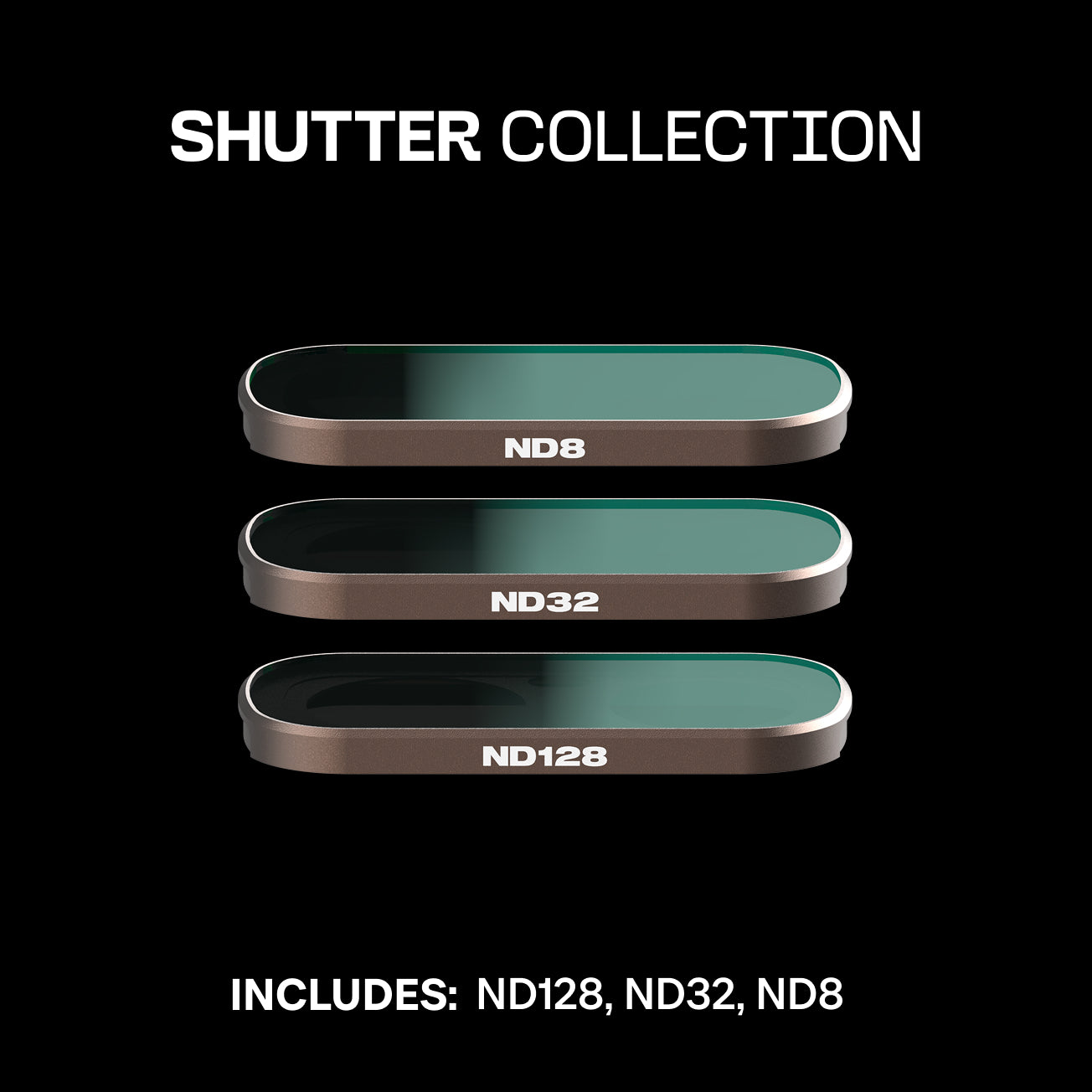
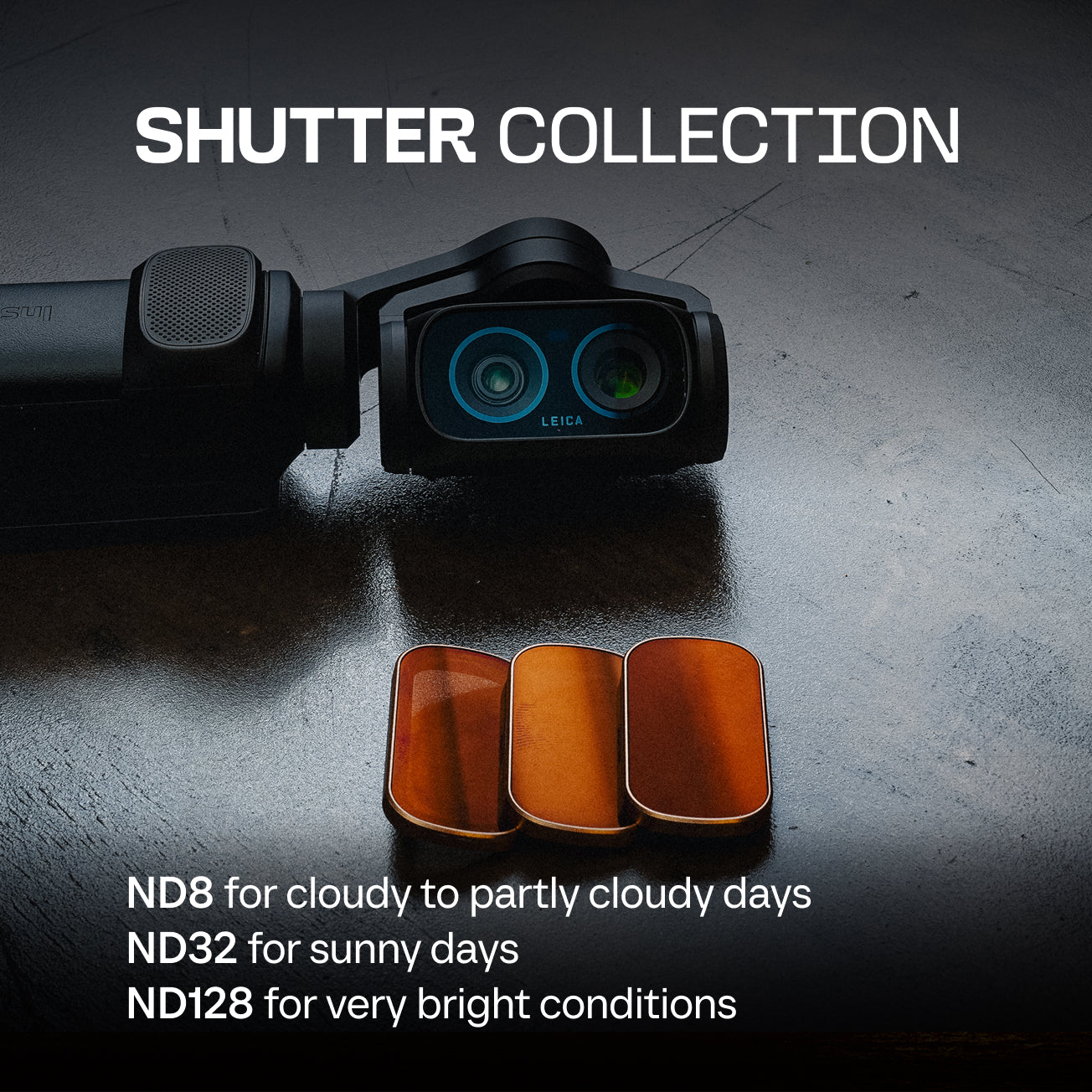
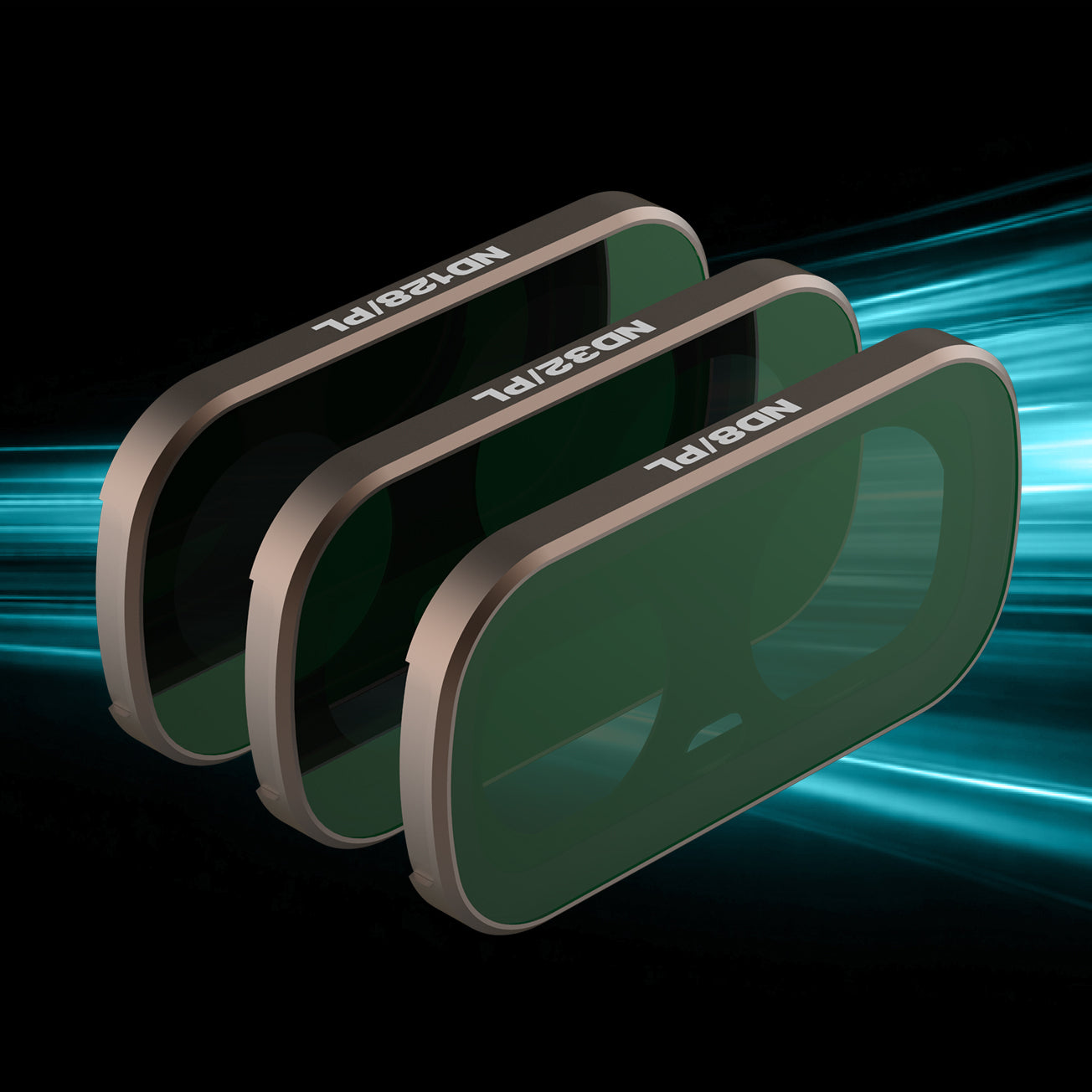
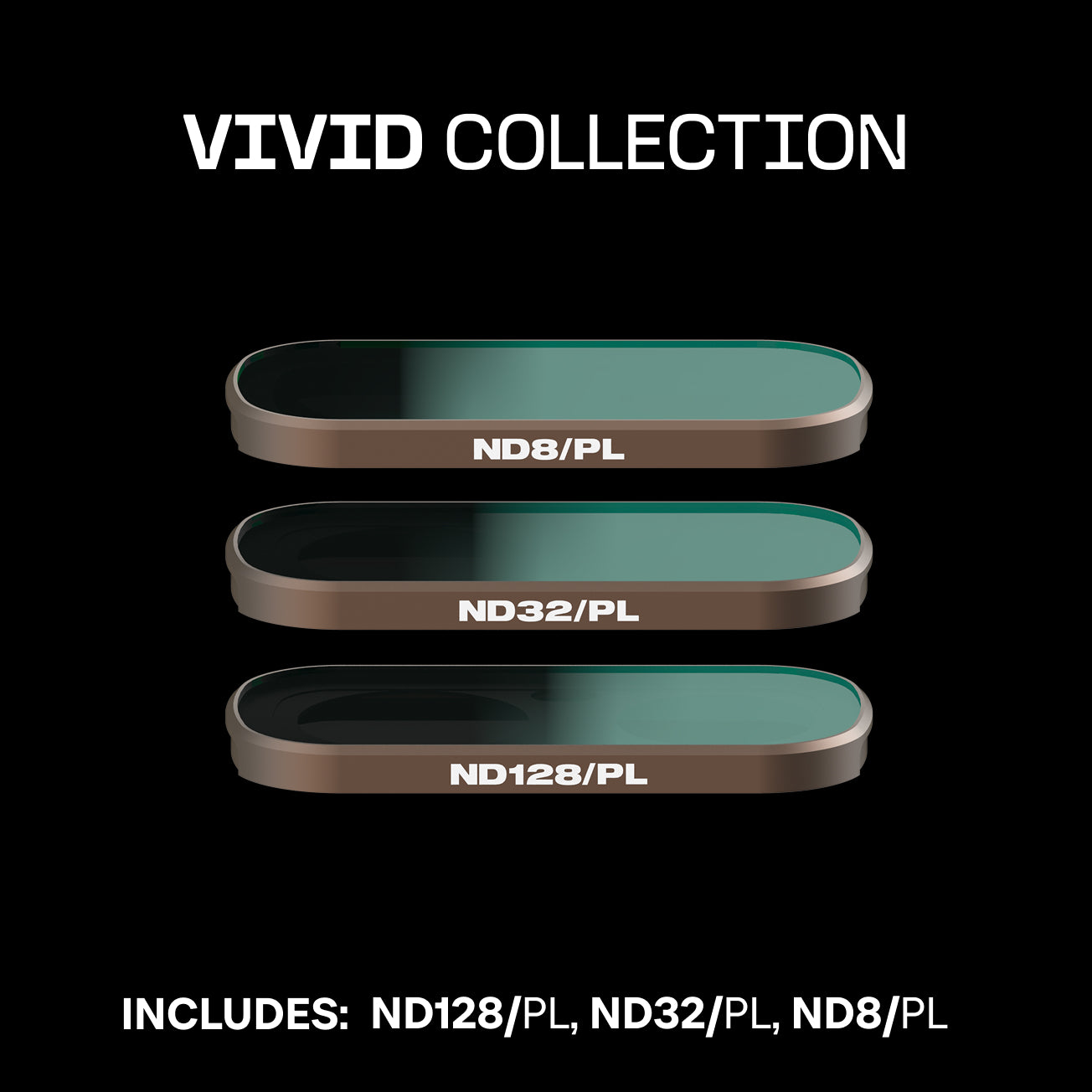
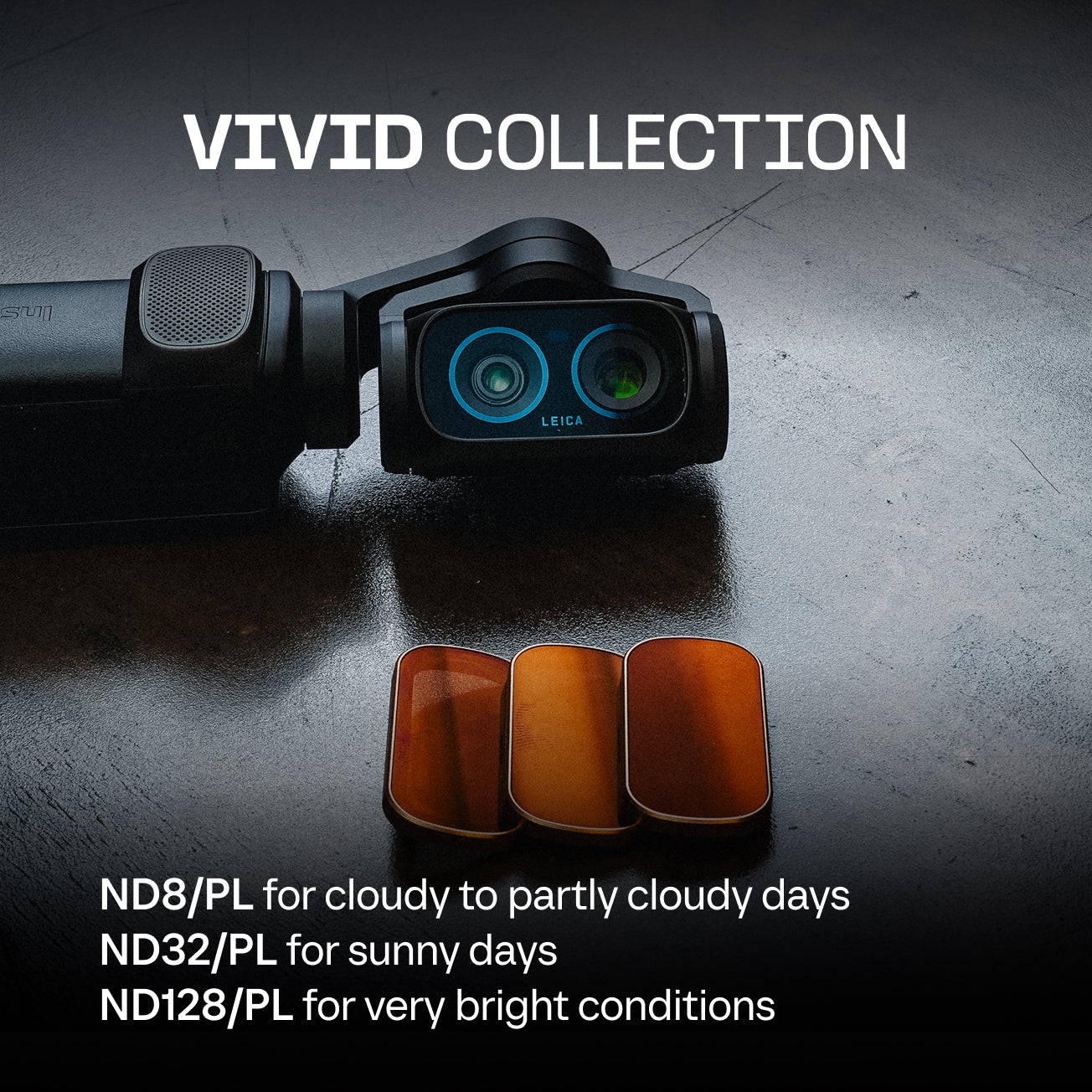
PolarPro's Vivid Collection for Luna Ultra covers the full range with three combined ND/polarizer filters: ND8/PL (3-stop) for partly cloudy conditions, ND32/PL (5-stop) for sunny daylight, and ND128/PL (7-stop) for very bright, high-glare conditions. Together they let you hold a correct 180-degree-rule shutter speed from overcast mornings through peak midday sun.

What's the difference between a standard ND filter and an ND/PL filter for the Luna?

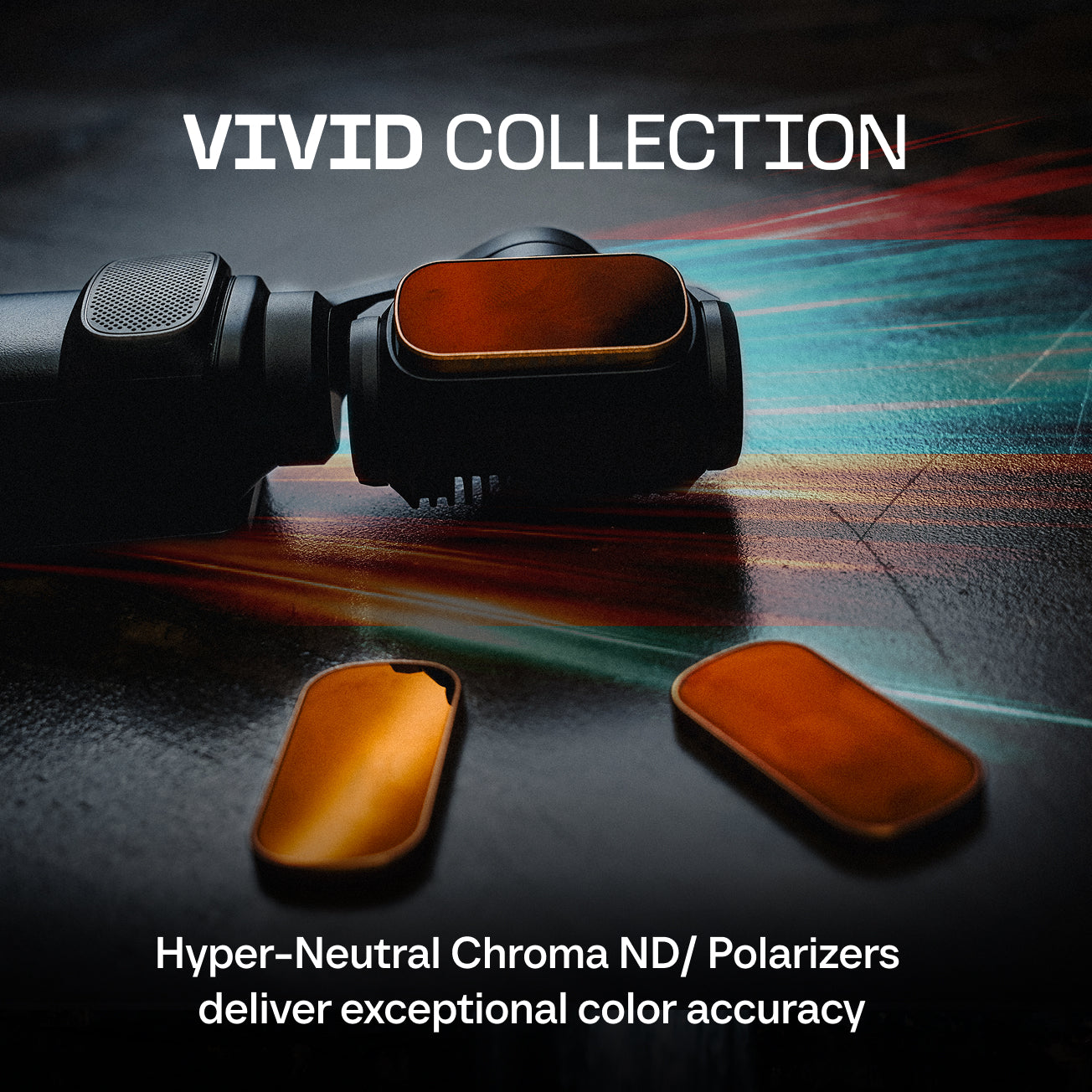
A standard ND filter only reduces light. An ND/PL (ND + polarizer) filter reduces light and cuts glare and reflections off water, wet surfaces, or foliage — useful for on-the-water and outdoor action shooting. PolarPro's Vivid Collection combines both in one magnetic filter so you get accurate exposure and cleaner color/contrast in a single swap.

Will an ND filter reduce image quality or sharpness on the Insta360 Luna?

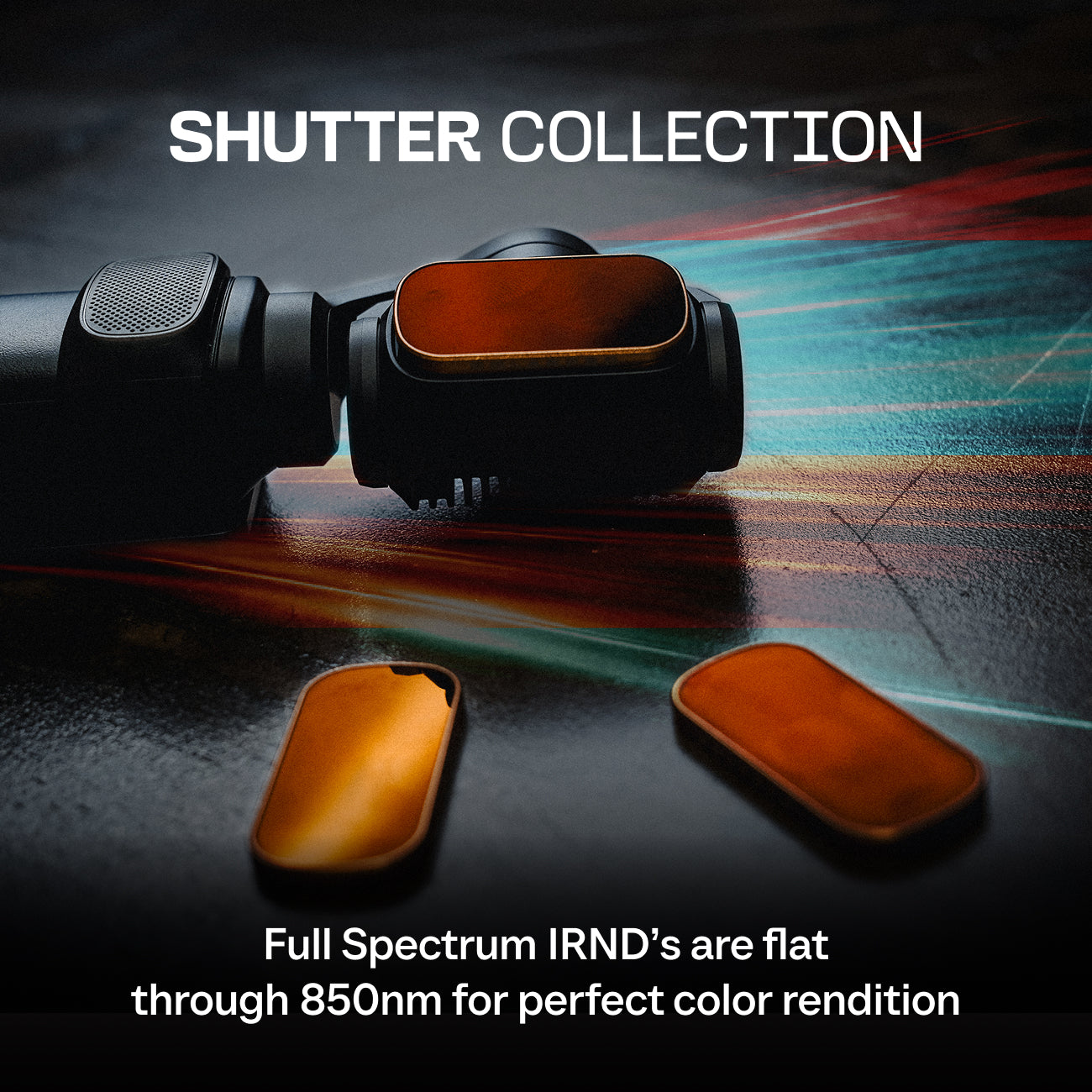
No — PolarPro filters for the Luna use Cinema Series glass with a low refractive index and color-neutral coatings, so you get accurate exposure control without introducing color casts, softness, or distortion into 4K/8K footage.

How do PolarPro filters attach to the Insta360 Luna?

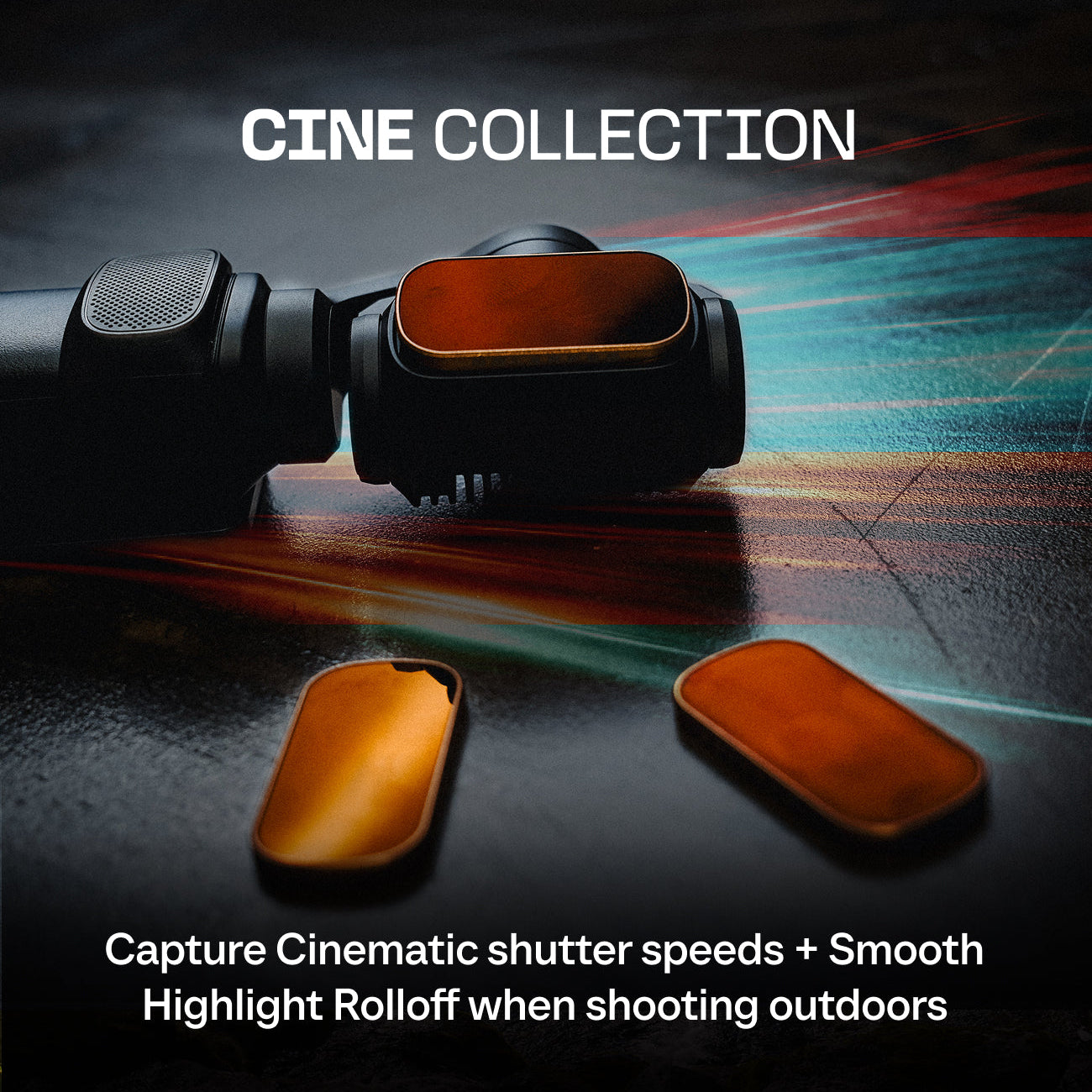
They use a magnetic mounting system that snaps directly onto the Luna's lens housing — no threads or adapters needed, so you can swap between ND strengths in seconds as lighting changes throughout a shoot

Didn’t find your answer?

Don't hestitate to contact us